Free, plain-language guides for Australians who want steadier daily sleep habits. We share everyday tips — not medical treatment or product sales.
Find Your Best Bedtime About This SiteMost people obsess over what time they go to bed. In practice, what matters more is getting up at roughly the same time every day — including weekends. When your body knows when morning starts, it learns when to feel alert and when to wind down. That regular pattern often does more for your sleep than hitting an exact bedtime each night.
This is not about rigid rules. It is about giving your body fewer surprises. Whether you commute early on the Sunshine Coast, work from home, or stay up too late scrolling, a few simple anchors help: a fixed wake-up time, morning light, some movement during the day, and a calm routine before bed.
Below we cover four everyday habits — when you get up, how tired you feel by evening, how you use light, and how your body cools down — plus a calculator that works backwards from when you need to be sharp tomorrow.
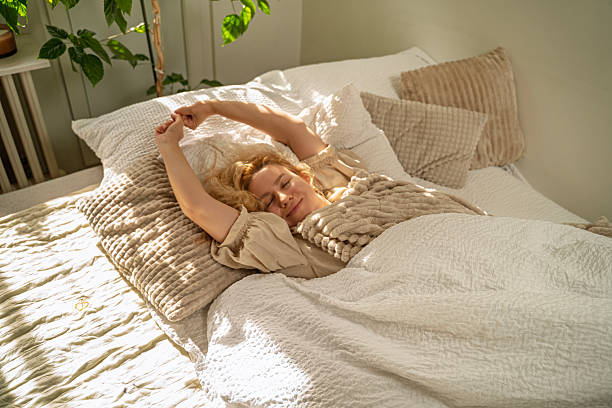
Think of your wake-up time as the main setting on your internal clock. When you get hungry, when you feel a mid-afternoon dip, when you start getting sleepy at night — a lot of that flows from when you got out of bed. Sleep in two hours later on Saturday and Monday morning can feel like mild jet lag, even though you never left home.
Bedtime usually sorts itself out once your wake-up time is steady. If you rise at 6:30 AM every day, you naturally feel tired around the same hour each evening. Chase an early bedtime while waking at random times and you end up lying awake — your body still thinks it is afternoon inside.
Pick a wake-up time you can actually keep seven days a week, then protect it. Even half an hour of weekend drift can undo the rhythm you built all week. Read our full guide to wake-up time for small, practical steps.
From the moment you wake up, your body slowly builds a sense of tiredness. Moving around, doing focused work, and simply staying awake all add to it. By evening, that built-up tiredness is what makes you want to go to bed. The longer you have been up — and the more you have done — the stronger that feeling usually gets.
A walk, gardening, or a busy workday all help you feel properly tired by night. Sit still all day with little to do and you may still feel oddly awake at 11 PM.
A short twenty-minute nap before 2 PM can refresh you without ruining the evening. A long nap at 4 PM may push bedtime later and leave you staring at the ceiling.
Caffeine blocks that natural tired feeling for a while. A late-afternoon espresso can hide genuine sleepiness and make it harder to drift off at your usual hour.
Knowing how daytime tiredness builds helps you decide when a nap is useful and when it gets in the way. See our guide to daytime rest and activity for timing tips that fit Australian schedules.
Bright light in the morning tells your brain the day has started. Step outside within half an hour of waking — even on a grey Queensland morning — and you get far more light than any indoor bulb can offer. Ten to fifteen minutes on the balcony or footpath can make a real difference to how alert you feel.
Evening works the other way around. Bright screens and cool-white lights keep your brain in daytime mode. Swap to warm, amber lamps after sunset and dim your phone — you do not need total darkness at 6 PM, just a gentler fade into night.
Australian seasons shift the light around you: early summer sunrises, dark winter evenings. Adjusting lamps and outdoor time through the year keeps your routine on track. See our light guide for simple home tips.
To fall asleep naturally, your core body temperature needs to drop by about one degree. That is why a hot, stuffy room can leave you tired but still awake. Your body is waiting to cool off.
Read our temperature guide for shower timing, bedding picks, and tips for warmer Australian summers.
Tell us when you need to feel sharp tomorrow. We count back in ninety-minute sleep blocks and add fifteen minutes to fall asleep — then show you three bedtime options. Estimates only; results vary by person.
Estimates only. Individual sleep needs vary. This tool does not diagnose conditions or replace advice from a registered health practitioner.
Sparkfreshae.ddd is a free educational website based in Mooloolaba, Queensland. We publish lifestyle articles about sleep habits for general readers in Australia.
We are not a medical clinic, pharmacy, or product retailer. All guides and our bedtime calculator are free to use. For who we are, what we do not offer, and how to reach us, read our full About page.
Everything here is everyday lifestyle advice about sleep habits. It is not a substitute for speaking with a qualified health professional.
If you often cannot sleep, feel exhausted during the day, or snore loudly with pauses in breathing, talk to a registered practitioner in Australia.
Move your wake-up time by fifteen minutes every few days instead of jumping two hours at once. Big sudden shifts can make sleep worse for a while.
We do not sell or promote therapeutic goods. Content here is general lifestyle information and is not approved by the Therapeutic Goods Administration (TGA) to treat any condition.
Do not start or stop sleep medicines or supplements based on a website. Talk to your prescribing practitioner before making any changes.
Yes — try to stay within thirty minutes of your weekday wake-up time. If you sleep in once, get back to your usual time the next morning rather than letting it slide all weekend.
Most people sleep in cycles of roughly ninety minutes, but yours might be a bit shorter or longer. Use the calculator as a starting point and adjust based on how rested you feel.
An extra hour now and then can take the edge off tiredness, but long lie-ins often throw off your routine for the rest of the week. A steady wake-up time usually works better than weekend catch-up sleep.
Shift work makes this harder. Focus on a dark, quiet sleep space, getting bright light when you need to be alert, and keeping your wake-up time as steady as your roster allows. Specialist occupational health advice may help for your specific schedule.
